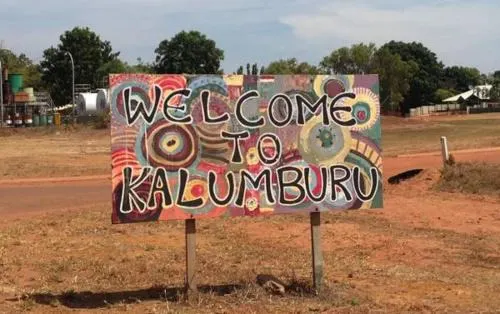
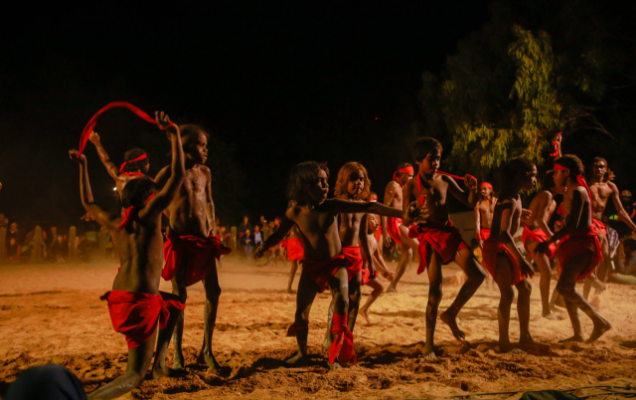
Kalumburu is the most northerly settlement in Western Australia, a remote Aboriginal community on the Kimberley coast where the Kwini and other traditional owners invite visitors to experience one of the world’s oldest surviving cultures.
Kalumburu is 550 kilometers from Kununurra and 650 kilometers from Derby, and access is via a high-clearance four-wheel-drive or scenic flight. Set against ancient rock art, pristine wilderness, and the Timor Sea, it’s a true gateway to the North Kimberley.
For more information, download our free community pamphlet — packed with everything you need to plan your visit to Kalumburu.
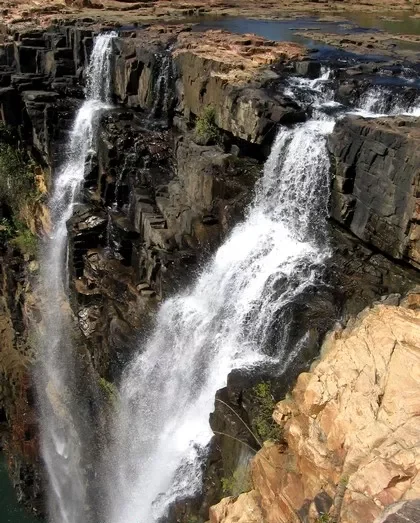
The Mitchell Falls are among the most photographed attractions of the Kimberley.
I took the photos you see on this and other pages after a fabulous wet season when the falls were at their most splendid.
The Mitchell Plateau is special not only because of this waterfall. Simply getting there is an adventure in its own right with much to see and do on the way.
Getting to the Mitchell Plateau takes some time and dedication, it’s an adventure in its own right, and it’s worth it!
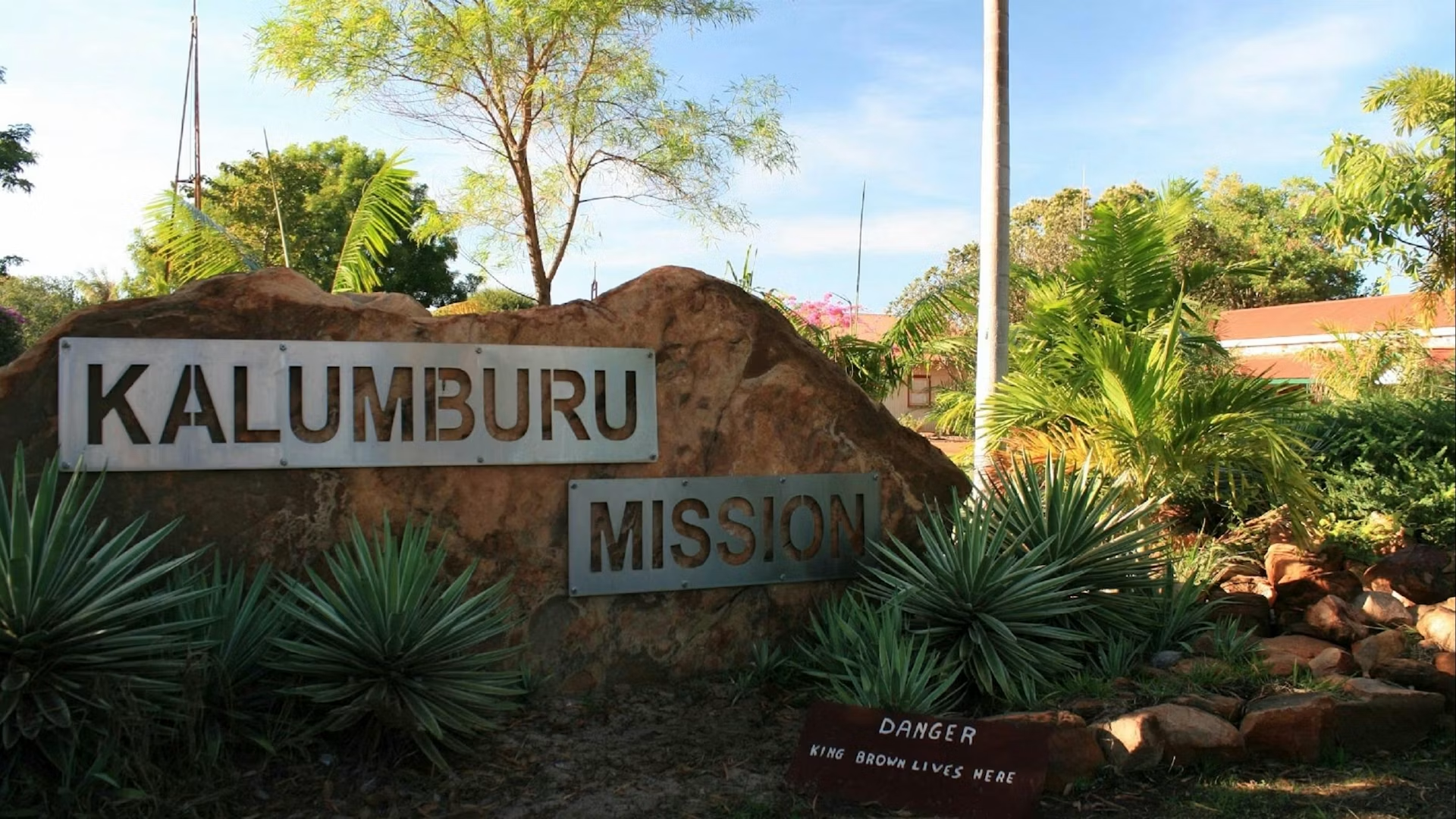
Take a detour off the Gibb River Road to the Kalumburu Mission community in Western Australia’s remote north. The local Kwini, Gambra and Walmbi people invite you to explore the pristine wilderness, enjoy some of Australia’s best fishing, and discover one of the world’s oldest surviving cultures.
Kalumburu is 550 kilometres from Kununurra and 650 kilometres from Derby. You’ll need a high-clearance four-wheel-drive, with sufficient fuel, water, food, mechanical and medical supplies – drive your own or fly from Perth to Kununurra or Broome (a two-hour drive from Derby) and hire a four-wheel-drive.
Alternatively, fly to Kalumburu from Kununurra or Wyndham, or join a four-wheel-drive tour, leaving you free to marvel at the awe-inspiring tropical landscape that’s been 1.8 billion years in the making.
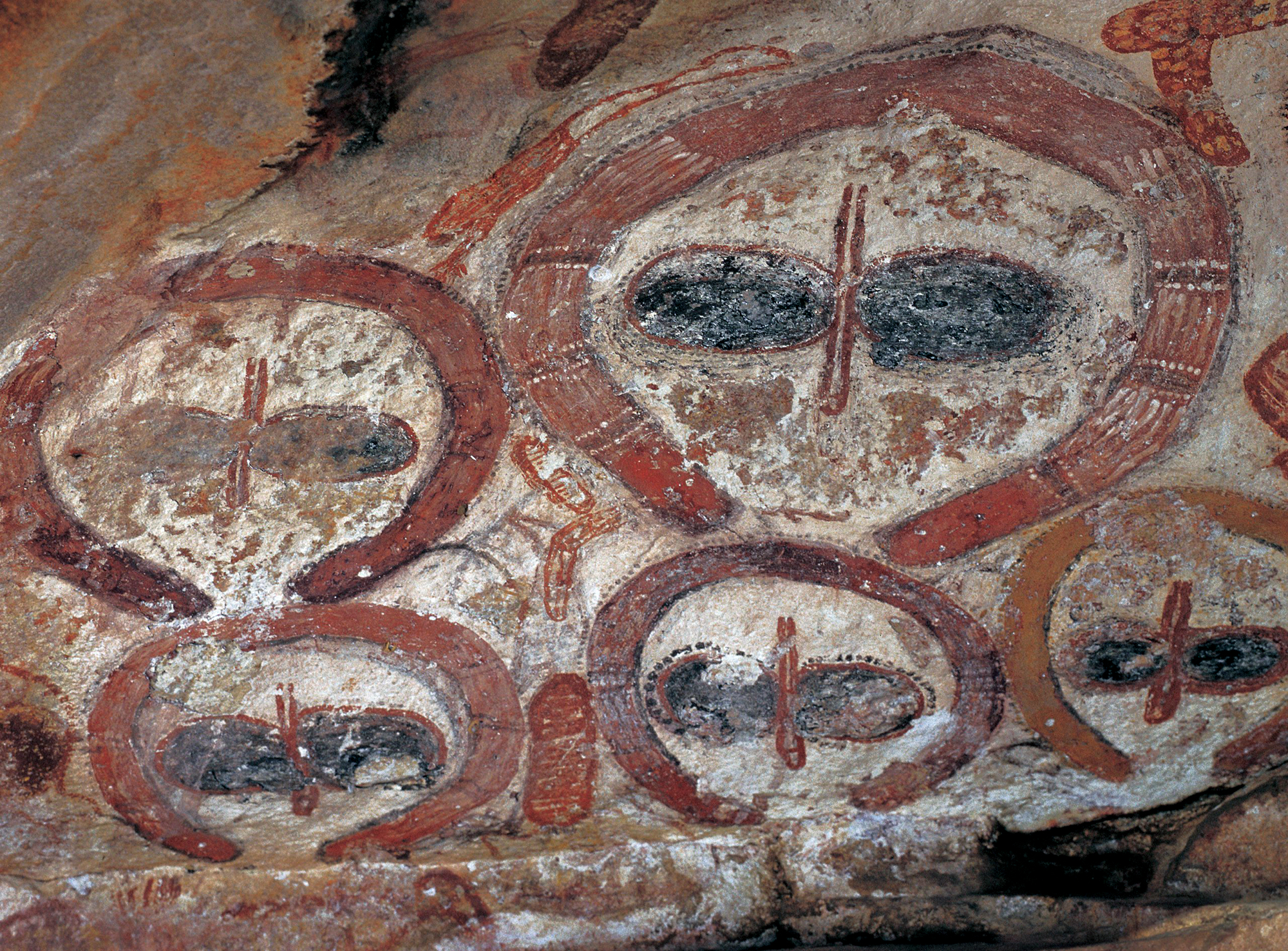
The Kimberley is one of the world’s great rock art regions, with two main styles around Kalumburu:
Artists still paint with ochre pigments onto canvas, paper and bark today, alongside contemporary themes like sealife and seasonal flora. The Kira-Kiro-Kalumburu Artists group, formed in 2009, continues this tradition. Visitors can see rock art via local guides, or on the Anscar and Monster Rock walking circuit, known for its unique formations and Kira Kiro art.
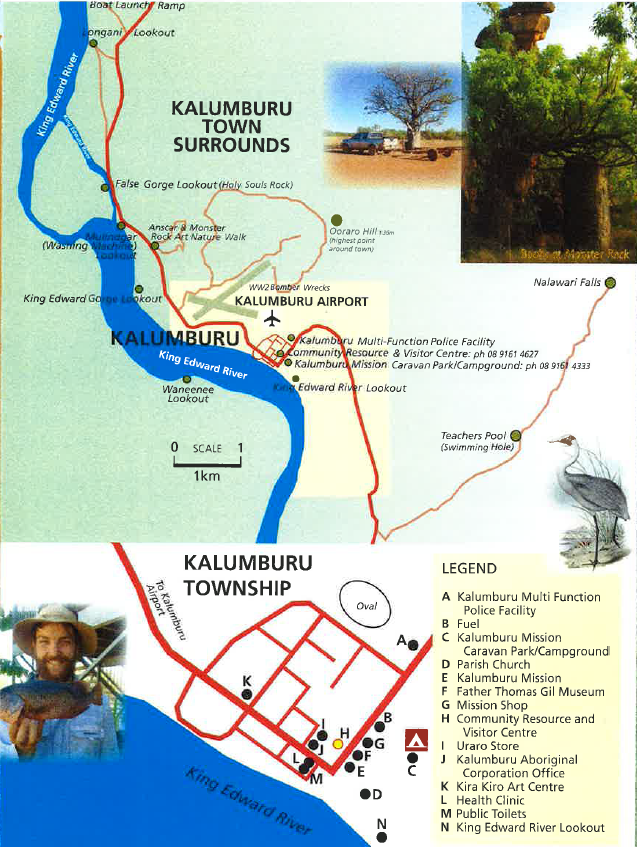
Kalumburu is on the King Edward River — the northernmost permanent settlement on the Kimberley coast, traditionally home to the Kwini and Kulari people. A Benedictine mission was established nearby in 1905, moving to its current site in 1932 for better water access.
The community became strategically important during WWII, gained road access via the Gibb River Road in the 1970s, and achieved independence from mission control in 1981. Remnants of the original mission settlement can still be seen at the nearby Pago Historic Site.
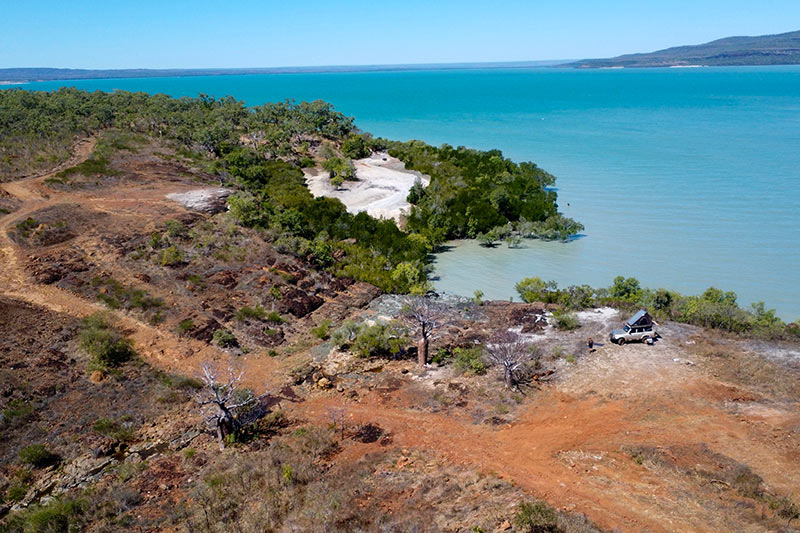
Kalumburu Scenic Drive
A short 4WD loop near the community featuring bird watching, WW2 bomber wrecks, and Ooraro Hill Lookout. It passes treatment ponds good for spotting waterbirds, and nearby wrecks of WW2 B25 Mitchell bombers that once flew from a local airstrip. The track loops through woodland toward Ooraro Hill, the highest point near the community, with a moderate ridgeline walk offering scenic views.
Pago Historic Site
On the north-eastern shore of Mission Bay, this is the site of the original mission settlement. Remnants include old wells, stone paved floors, a baker’s oven, and the monastery’s foundation and posts. Nearby mud flats were a major WWII landing site, and a boab tree marks where missionaries held their first mass on 15 August 1908. Guided tours are available for a fee in season via the Community Resource and Visitor Centre.
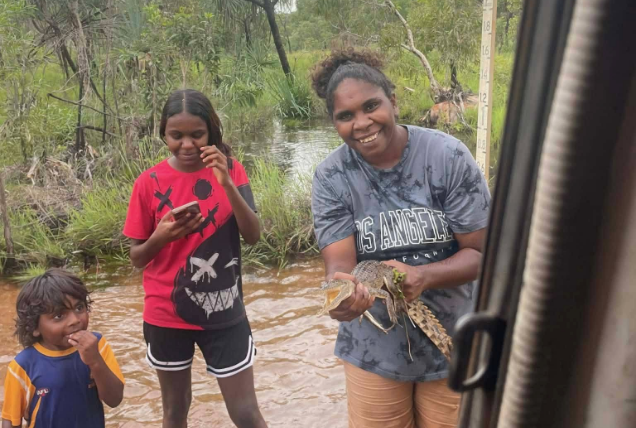
Fishing: you are welcome to catch fish and collect oysters to eat during your stay. To maintain sustainable stocks for community members’ historical, survival and cultural needs, as well as for the enjoyment of future visitors, we request that you only enjoy your catch while staying at Kalumburu. Catch & release is encouraged.
Fires: are allowed at designated campsites (see list) with fallen timber only.
Firearms: shooting is not allowed anywhere at Kalumburu and surrounds.
Rubbish: please help us keep our country beautiful by taking your rubbish away with you.
Crocodiles, sharks and stingrays: be aware that salt water (estuarine) crocodiles, sharks and stingrays are prevalent in these waters. They can be found in the rivers, but mainly frequent the estuaries and bays. Do not swim in exposed areas and keep a careful watch whilst fishing or on the beaches.
Alcohol: Kalumburu is a dry community — alcohol is banned outright, with police prosecution possible for breaches.
Permits: visitors need a free transit permit from the Aboriginal Lands Trust to access Kalumburu, plus a separate paid pass (from the Community Resource and Visitor Centre or Uraro Store) to stay or camp, which helps fund community sustainability.
Cultural respect: treat the community like you would visiting someone’s home — respect privacy, always get permission before photographing people or activities, and feel free to approach community members or elders (via the Visitor Centre) with questions.
© Copyrighted 2026 Kalumburu. All Rights Reserved.
We acknowledge the Traditional Custodians, the Wunambal and Guini peoples of this land (Kalumburu). We pay our respects to Elders past and present and honour the stories, culture and connection to Country that continue through generations.
Aboriginal and Torres Strait Islander viewers are advised that this site may contain images, voices or names of deceased people.